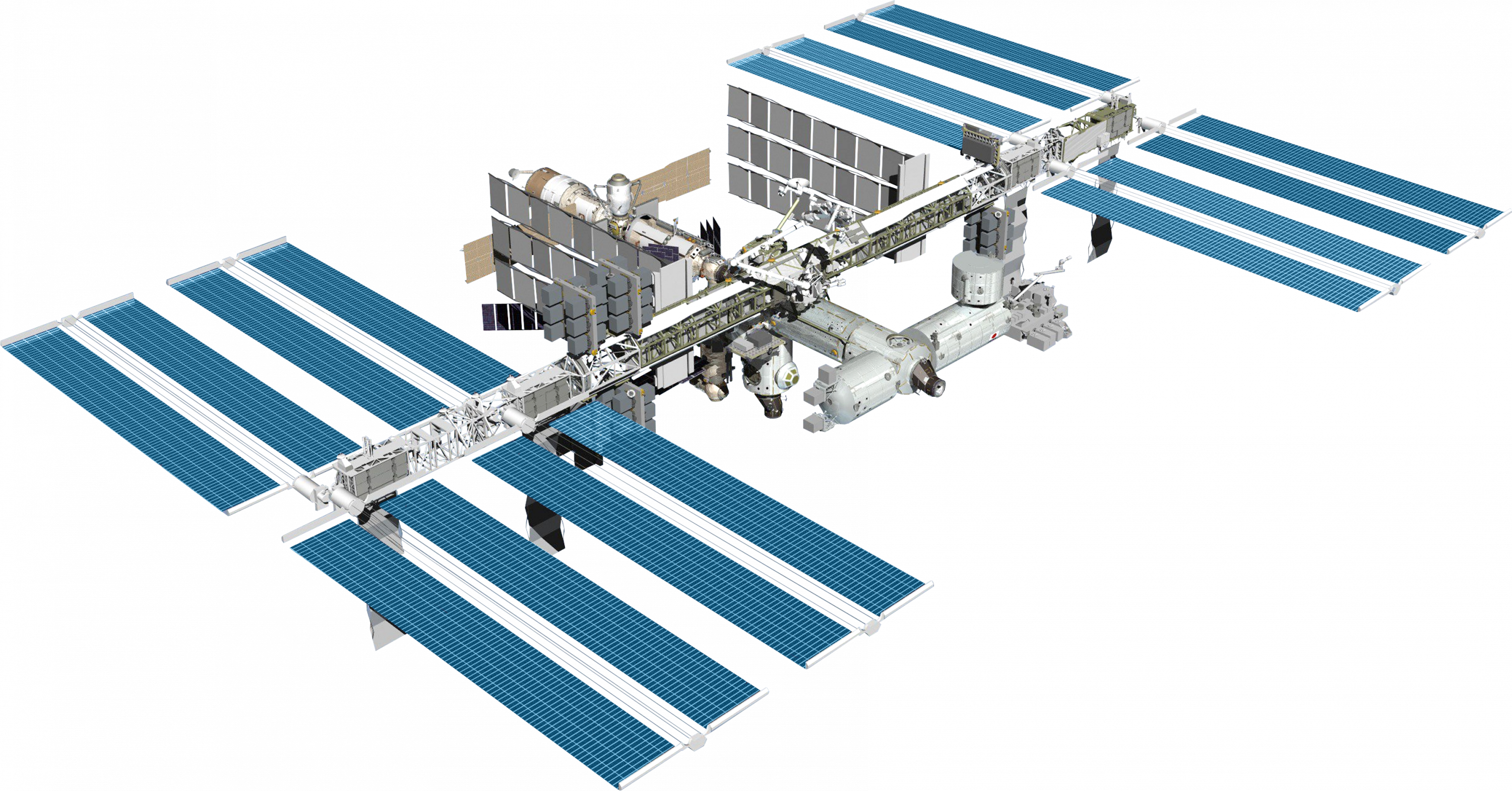
International Space Station
ORBITING AT 422 KM ยท 27,579 KM/H

International
Space Station

Humanity's largest orbital laboratory. Continuously crewed since November 2, 2000 โ€” a symbol of international cooperation circling Earth every 92 minutes.

ALTITUDE
421.8 km
VELOCITY
27,579 km/h
CREW ON BOARD
7 people
DAYS IN ORBIT
10,010
ORBITS COMPLETED
155,555
CURRENT EXPEDITION
74
ACTIVE EXPERIMENTS
250+
ORBITS / DAY
15.5
LIVE MANIFEST

Current ISS Occupants

7 astronauts and cosmonauts currently living and working on the station.

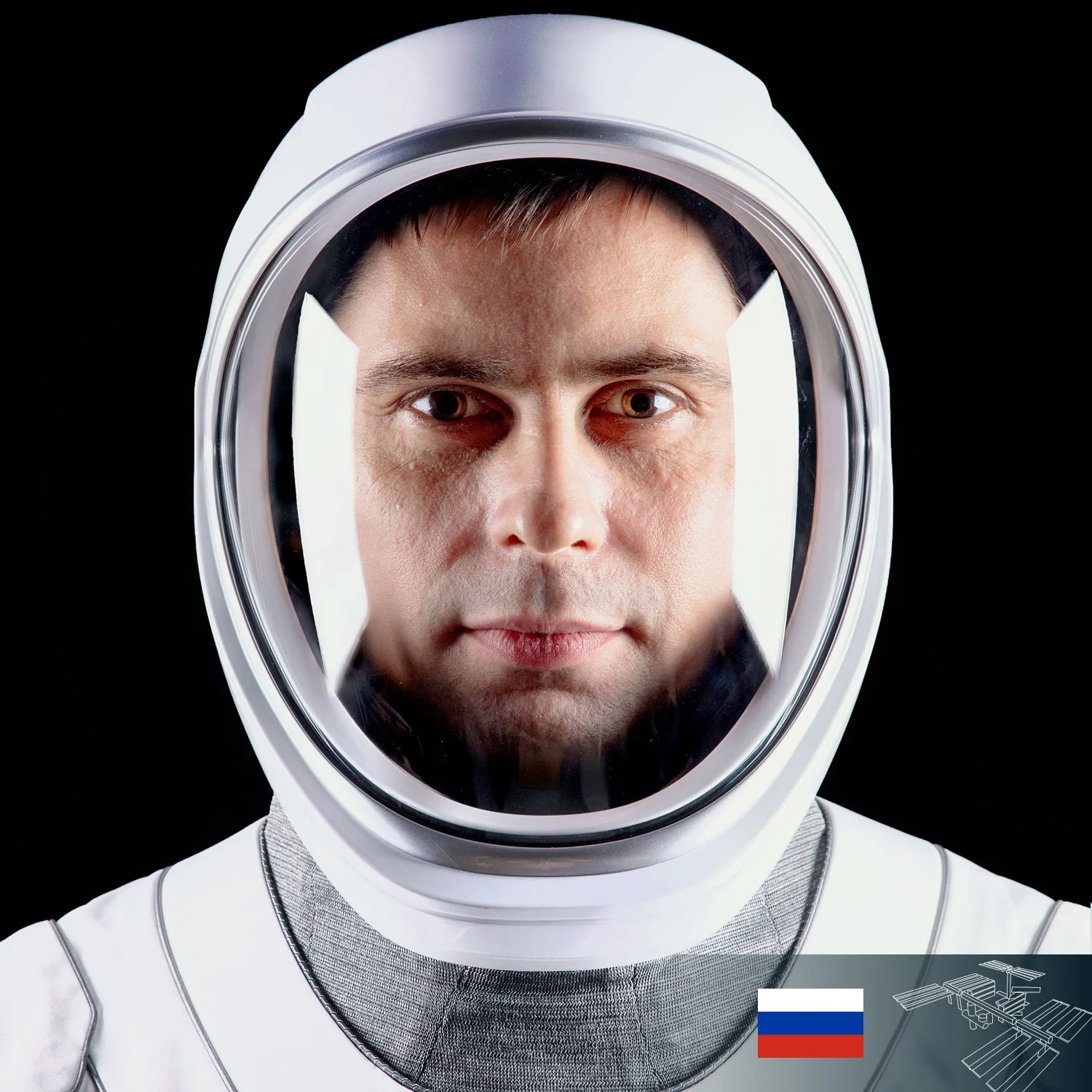
Andrey Fedyaev
Andrey Fedyaev
๐Ÿ›ฐ๏ธ
SpaceX Crew-12
ACTIVE MISSION
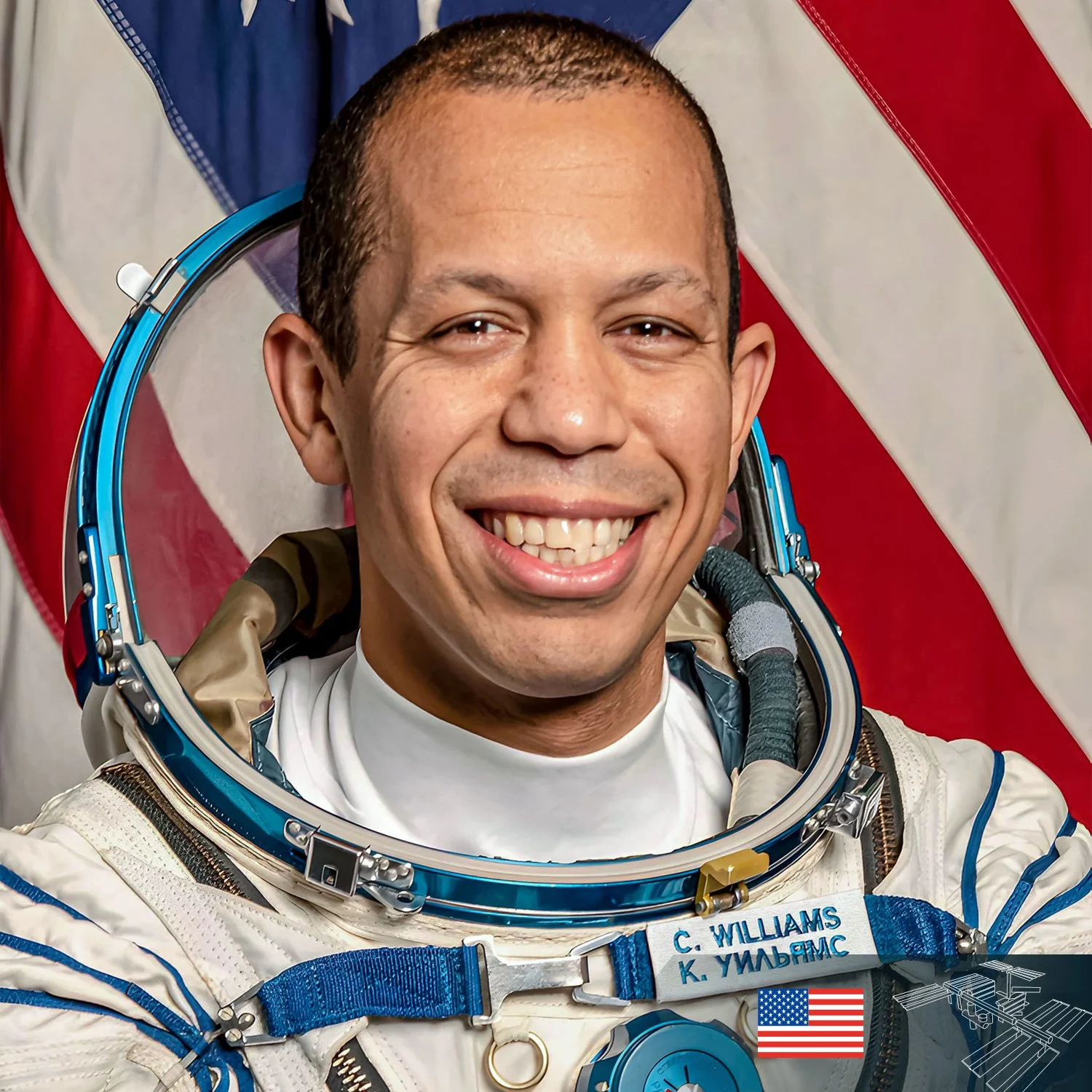
Christopher Williams
๐Ÿ›ฐ๏ธ
Soyuz ms-28
ACTIVE MISSION
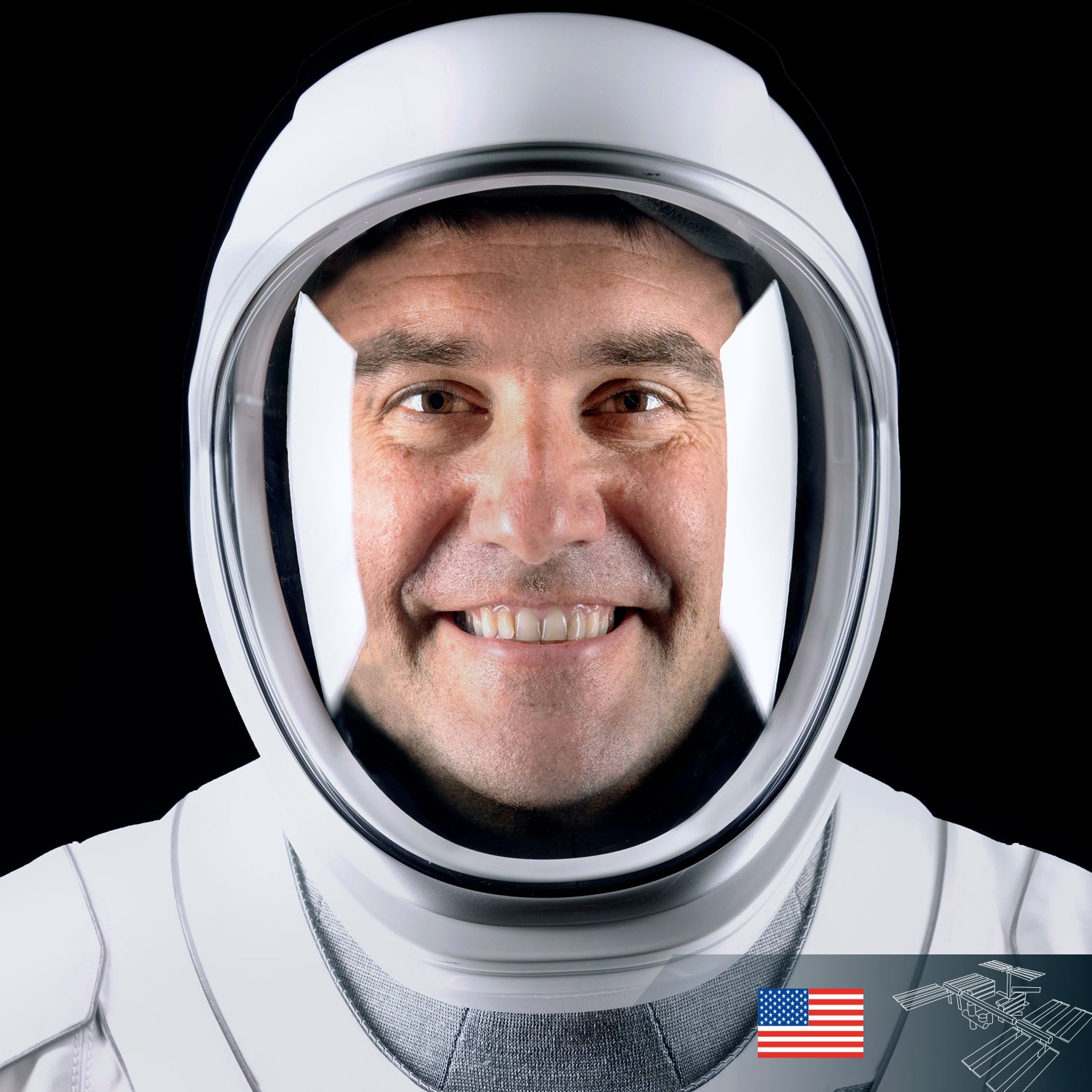
Jack Hathaway
Jack Hathaway
๐Ÿ›ฐ๏ธ
SpaceX Crew-12
ACTIVE MISSION
Jessica Meir
Jessica Meir
๐Ÿ›ฐ๏ธ
SpaceX Crew-12
ACTIVE MISSION
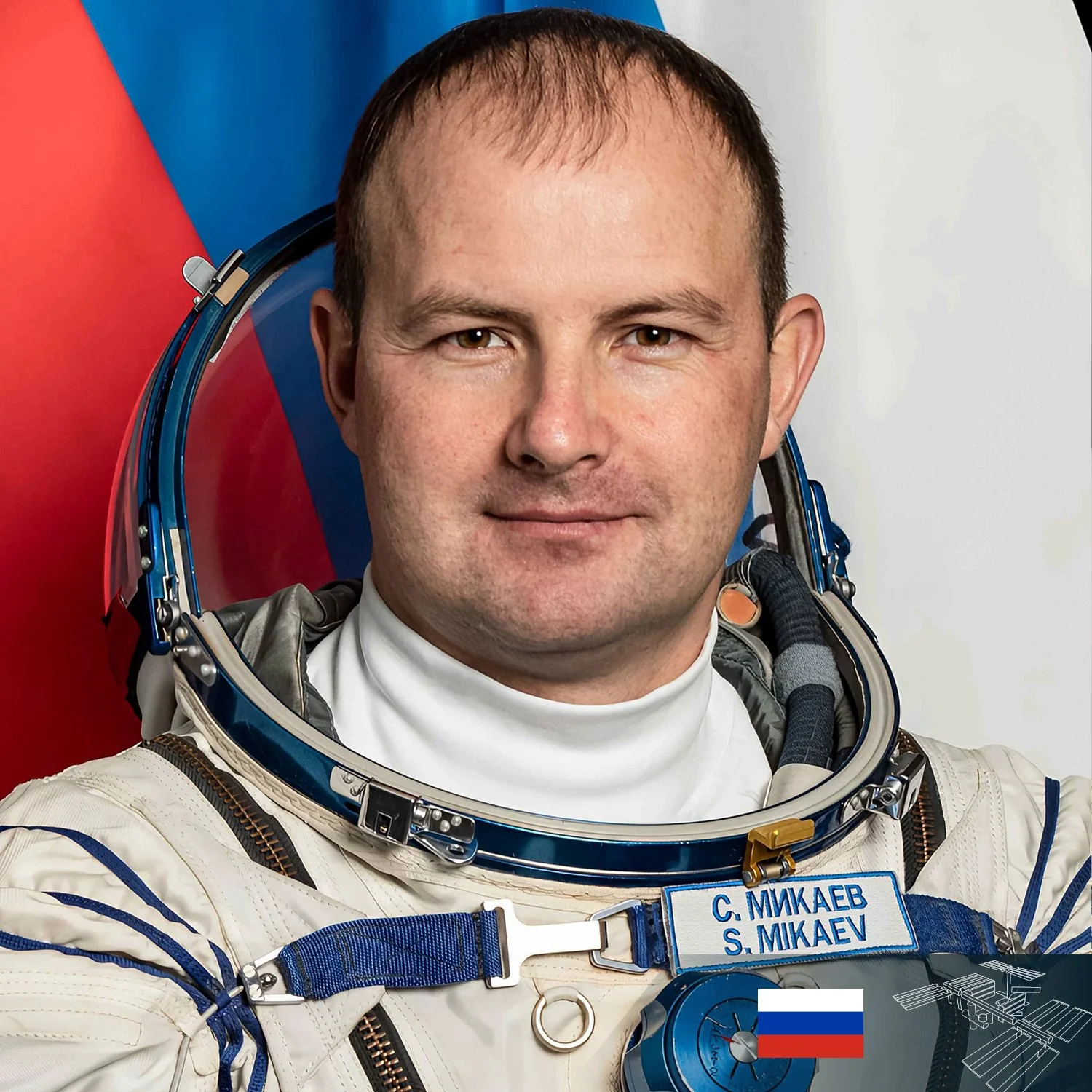
Sergei Mikayev
Sergei Mikayev
๐Ÿ›ฐ๏ธ
Soyuz ms-28
ACTIVE MISSION
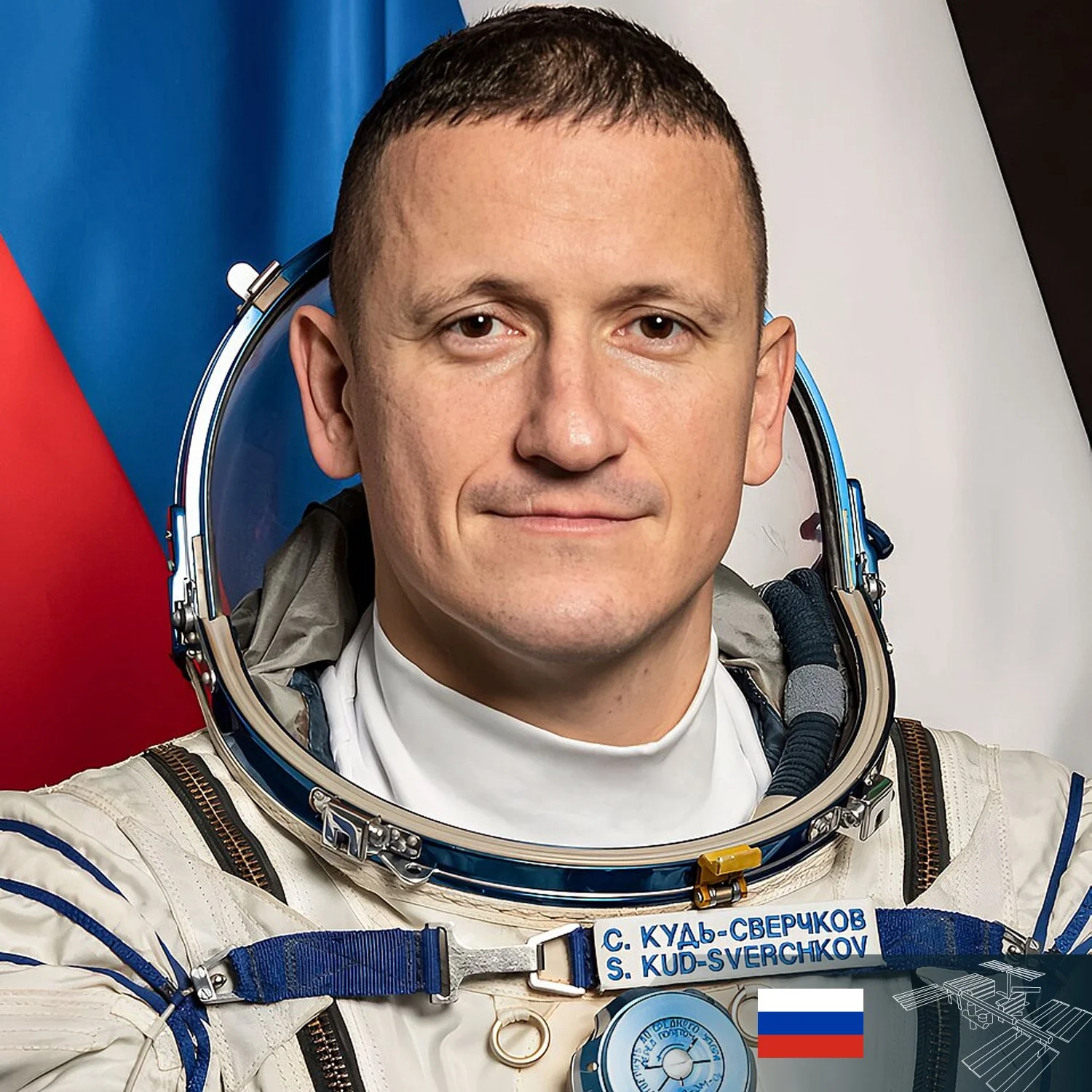
Sergey Kud-Sverchkov
๐Ÿ›ฐ๏ธ
Soyuz ms-28
ACTIVE MISSION
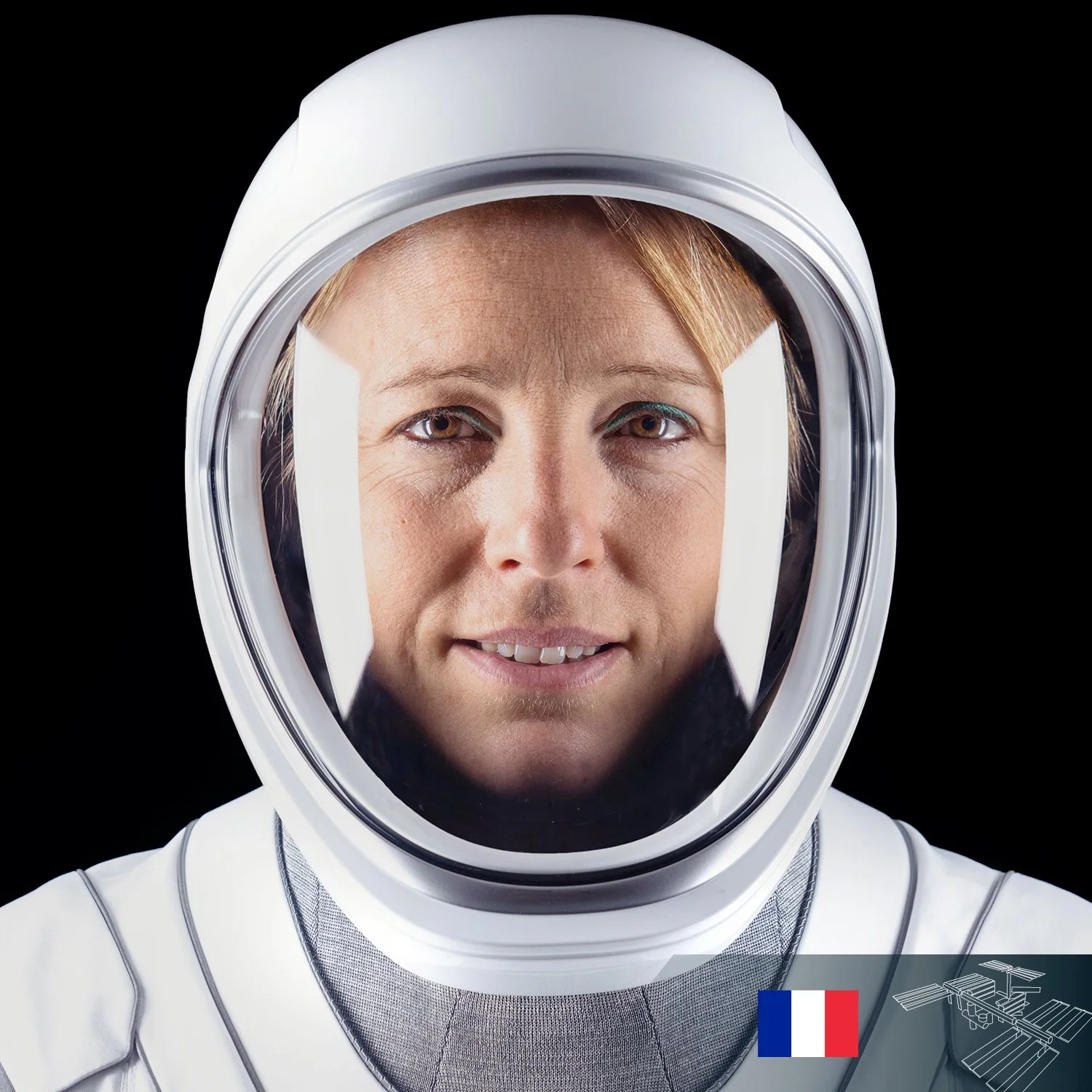
Sophie Adenot
Sophie Adenot
๐Ÿ›ฐ๏ธ
SpaceX Crew-12
ACTIVE MISSION
UPDATES

Latest News

All ISS News โ†’
MISSIONMAR 14, 2026

Final Checks for Japanese Cargo Craft as Crew Prepares for Arrival of Next Mission

The ISS crew has completed final packing for Japan's resupply vessel, while simultaneously prepping for the upcoming Northrop Grumman mission.

AstroVault AI Editorial
TECHMAR 13, 2026

Space Station Maintenance: Robots and Repairs in Microgravity

Ground controllers utilized the station's robotic systems today to perform critical checkouts of the Harmony moduleโ€™s unberthing mechanisms.

AstroVault AI Editorial
SCIENCEMAR 12, 2026

Hearts in Space: Cardiac Research Takes Center Stage on ISS

Scientists on the ISS are studying how the human heart adapts to long-duration spaceflight, providing vital data for future Mars missions.

AstroVault AI Editorial
DAILY LIFE

Living in Orbit

What's it like to call the ISS home? Explore the daily routines of the crew.

๐Ÿ˜ด
Sleep
Crew members sleep in compact individual cabins attached to the walls or ceilings. Without gravity, there's no "up," so sleeping bags are anchored to prevent floating. The ISS sees 16 sunrises per day โ€” windows are covered to simulate a normal sleep cycle.
FACT: 8 hrs scheduled ยท 16 sunrises/day
๐Ÿฝ๏ธ
Food & Water
Over 200 food and beverage items are available โ€” mostly freeze-dried, thermostabilized, or irradiated. Drinks come in sealed pouches with straws. The station also recycles approximately 90% of all liquid waste, including sweat and urine, back into drinking water.
FACT: ~3.8L water recycled per person/day
๐Ÿ’ช
Exercise
Microgravity causes muscle loss and bone density reduction. Crew members exercise 2.5 hours every single day using three machines: a treadmill (COLBERT), an advanced resistive exercise device (ARED), and a stationary bike (CEVIS). Without this, long-term health would be impossible.
FACT: 2.5 hrs mandatory exercise daily
๐Ÿ”ฌ
Science
The ISS is a unique microgravity laboratory that cannot be replicated on Earth. Crew members conduct experiments in biology, physics, astronomy, and materials science. Over 3,000 experiments from 108 countries have been conducted since the station became operational.
FACT: 3,000+ experiments ยท 108 countries
๐Ÿšฟ
Hygiene
There are no showers in space. Crew members use no-rinse soap and shampoo with a small amount of water from a pouch to stay clean. All towels are reusable to minimize waste, and even moisture from the air is recycled.
FACT: No showers ยท Rinseless soap/shampoo
๐ŸŒ
Leisure & Cupola
When not working, astronauts enjoy reading, movies, or the "Cupola"โ€”a 7-window observatory providing a 360-degree view of Earth. Photography is a major hobby, with over 3 million photos taken. Seeing the Earth's fragility from space often changes a person's life.
FACT: 7-window Cupola ยท 3M photos taken
๐Ÿ“ก
Connectivity
Staying connected with family is vital for mental health. Astronauts have access to a private IP phone, video conferencing, and high-speed internet. They can send emails, browse the web, and participate in live Q&A sessions with students and the public across the globe.
FACT: High-speed IP Phone ยท Video calls
๐Ÿ‘จโ€๐Ÿš€
Spacewalks
Maintenance often requires stepping outside. Spacewalks (EVAs) can last up to 8 hours and require specialized pressurized suits. These missions are both mentally and physically exhausting, involving complex repairs or installing new scientific instruments on the station's exterior.
FACT: 8-hour EVA shifts ยท 400+ hrs training
HISTORY

Expedition History

Expedition 75
Expedition 74
INTERNATIONAL PARTNERS

Built by 15 Nations

USA Flag
USA
NASA
NASA led the project since 1998, providing the main truss and major modules like Destiny, serving as the station's primary integration manager.
Russia Flag
Russia
ROSCOSMOS
Roscosmos launched the first module, Zarya, in 1998 and provides vital propulsion systems and crew transport via the Soyuz and Progress crafts.
Canada Flag
Canada
CSA
CSA contributed the essential Mobile Servicing System, including Canadarm2 and Dextre, robotic tools used for assembly and station maintenance.
Japan Flag
Japan
JAXA
JAXA provided Kibo, the station's largest lab module, and the HTV cargo vehicle, focusing on diverse space environment and material sciences.
Italy Flag
Italy
ASI/ESA
ASI/ESA built over 40% of the habitable volume, including the Cupola observatory and Nodes 2 and 3, key connecting points for the station.
Germany Flag
Germany
DLR/ESA
DLR hosts the Columbus Control Centre and leads European research, contributing over 40% of all scientific experiments conducted by the ESA.
France Flag
France
CNES/ESA
CNES played a lead role in the ATV cargo program and contributes advanced microgravity research and life science experiments with the ESA.
UK Flag
UK
UKSA/ESA
UKSA provided the ColKa terminal, enabling high-speed data transfer from the Columbus lab, and supports diverse UK-led biology experiments.
Spain Flag
Spain
INTA/ESA
INTA/ESA hardware contributions include parts of the Columbus lab and ATV, plus lead roles in the AMS-02 dark matter search experiment.
BY THE NUMBERS

ISS in Figures

$150B
USD
Total program cost
109m
LENGTH
Wider than a football field
420t
MASS
Heaviest structure in orbit
155,555
ORBITS COMPLETED
Since Zarya launch (1998)