ASTRONOMY INSIGHT

Space Stations

A space station is a spacecraft capable of supporting a human crew in orbit for an extended period of time. Since the launch of Salyut 1 in 1971, these orbital outposts have served as laboratories, observatories, and stepping stones for humanity's journey into the cosmos.

2Operational
11Historical
9+Planned

Operational Outposts

Currently supporting permanent human presence in Low Earth Orbit (LEO).
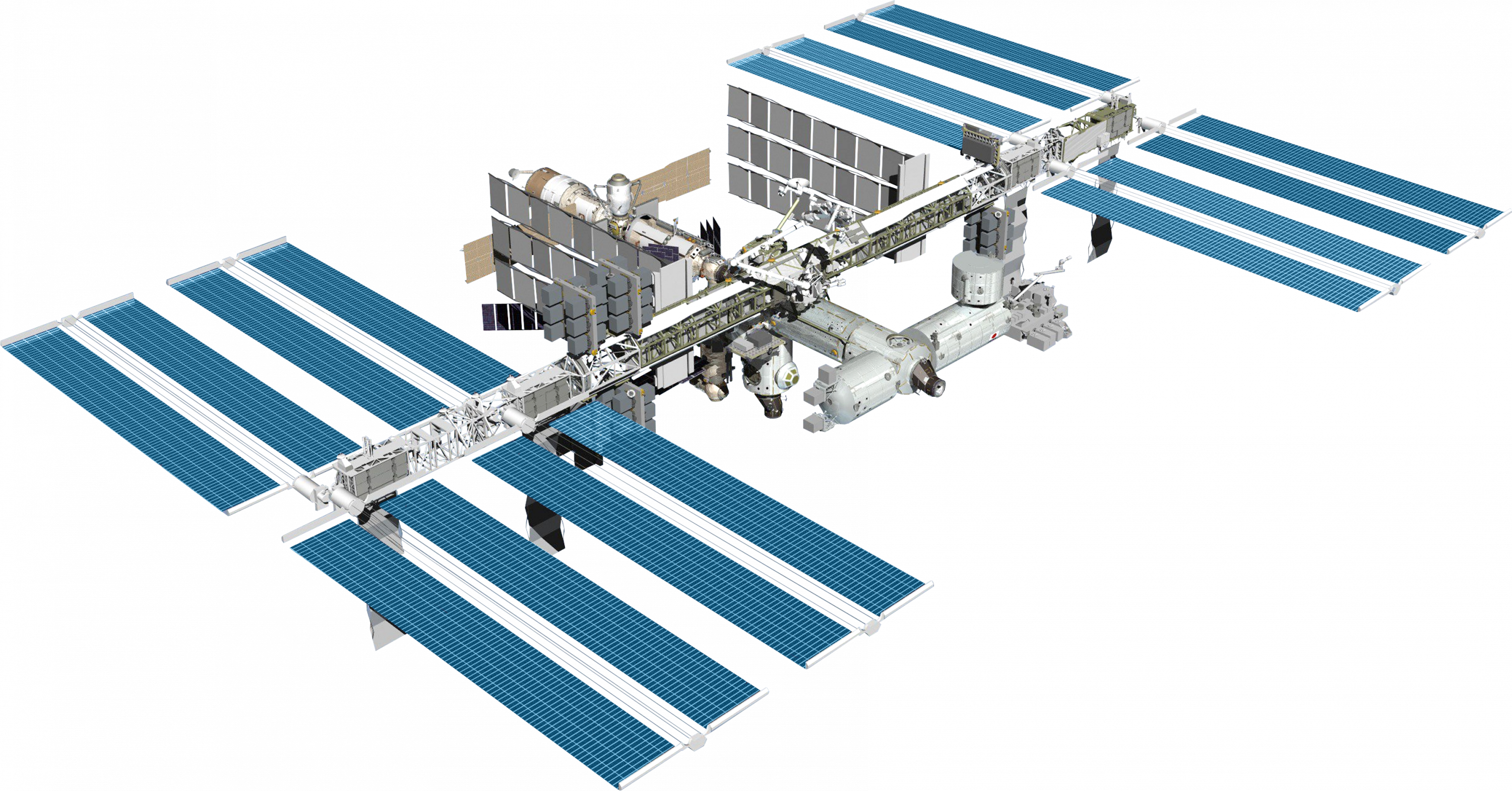
International Space Station

International Space Station

NASA, Roscosmos, ESA, CSA, JAXA

ACTIVE
20 November 1998
Launched
7
Crew
450,000 kg
Mass
Tiangong space station

Tiangong space station

CMSA

ACTIVE
29 April 2021
Launched
3–6
Crew
100,000 kg
Mass
Tiangong Hub Coming Soon

Heritage of Orbit

The pioneers that paved the way for modern space exploration.
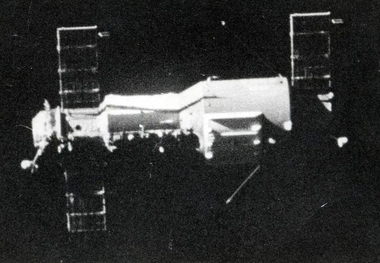
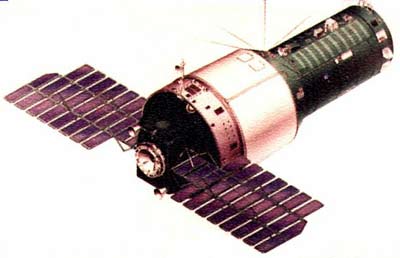
Salyut 1

Salyut 1

ORBIT19 April 1971 - 11 October 1971
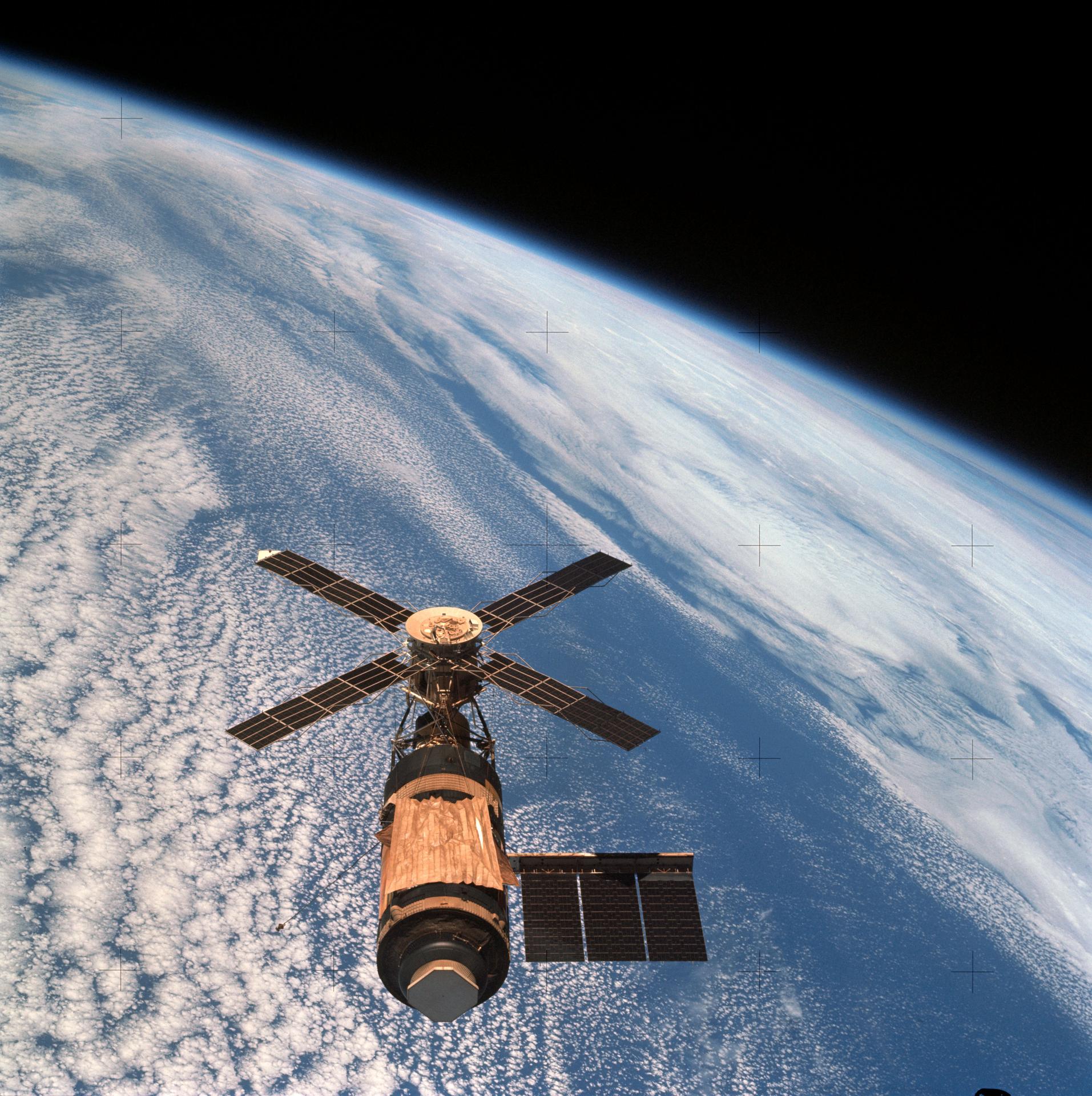
Skylab

Skylab

ORBIT14 May 1973 - 11 July 1979
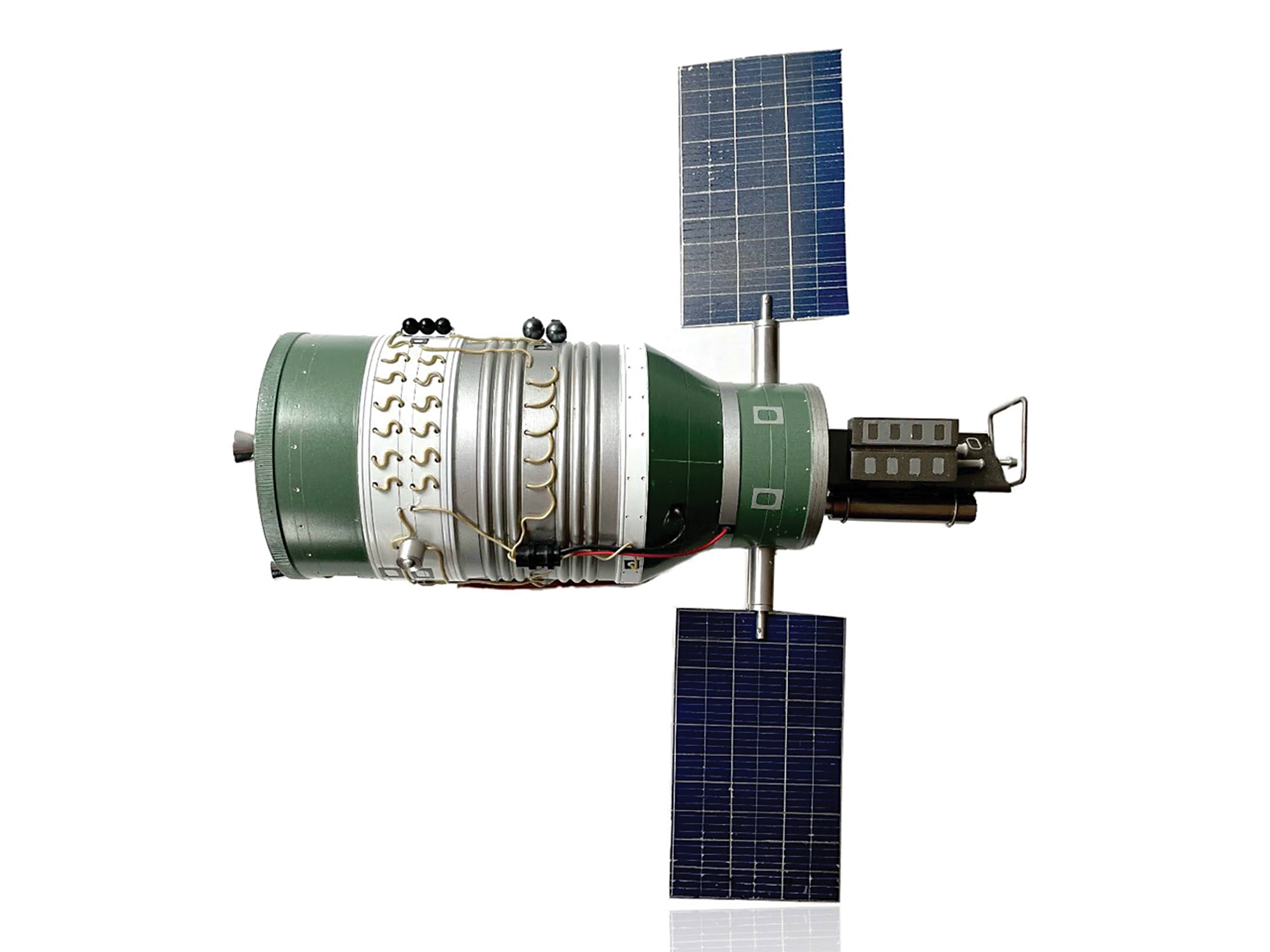
Salyut 3

Salyut 3

ORBIT25 June 1974 - 24 January 1975
Salyut 4

Salyut 4

ORBIT26 December 1974 - 3 February 1977
Salyut 5

Salyut 5

ORBIT22 June 1976 - 8 August 1977
Salyut 6

Salyut 6

ORBIT29 September 1977 - 29 July 1982
Salyut 7

Salyut 7

ORBIT19 April 1982 - 7 February 1991
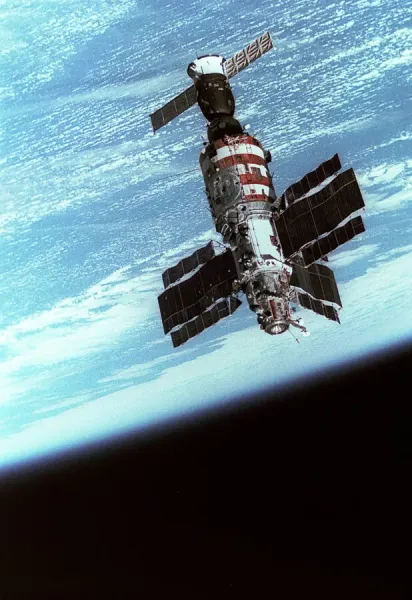
Mir

Mir

ORBIT19 February 1986 - 23 March 2001
Tiangong-1

Tiangong-1

ORBIT29 September 2011 - 2 April 2018
Tiangong-2

Tiangong-2

ORBIT15 September 2016 - 19 July 2019

The Next Frontier

Upcoming commercial and international orbital platforms.

LIFE Pathfinder

Sierra Space

StarMax

Gravitics

Haven-1

Vast

Axiom Station

Axiom Space

Lunar Gateway

NASA, ESA, CSA, JAXA

Orbital Reef

Blue Origin, Sierra Space

ROSS

Roscosmos

BAS

ISRO

Starlab

Voyager Space, Airbus

Prototypes & Testing

OPS 0855
Genesis I
Genesis II